
Azure Data Engineering Master Program with AI – Live Training
(Master Azure Data Engineering with hands-on training in Azure Data Factory, Databricks, PySpark, Delta Lake, Synapse Analytics, and AI-powered development.)
Master Azure Data Engineering with AI through 30 hours of live, hands-on online training led by an industry-experienced trainer, with recorded videos and 1-year access for flexible learning.
Want to become a job-ready Azure Data Engineer? This beginner-friendly program covers Azure Data Factory, Databricks, PySpark, Delta Lake, Synapse Analytics, Power BI, and real-world data engineering projects.
Azure Data Engineering with AI is a comprehensive, hands-on training program designed to help you master modern data engineering using Microsoft Azure. Learn how to build scalable data pipelines, manage cloud storage, process large datasets with Azure Databricks and PySpark, implement Delta Lake and Medallion Architecture, and create enterprise reporting solutions using Azure Synapse Analytics.
This course combines industry best practices with real-time projects and practical labs covering Azure Data Factory (ADF), Azure Data Lake Storage Gen2 (ADLS Gen2), Blob Storage, ETL/ELT pipelines, data transformation, and workflow automation. You’ll also discover how to leverage AI tools like GitHub Copilot to generate SQL, PySpark code, ADF expressions, technical documentation, and accelerate debugging and code reviews.
By the end of the course, you’ll complete a real-world end-to-end capstone project, building a production-ready data pipeline from data ingestion to analytics and visualization using Azure Data Factory, ADLS Gen2, Azure Databricks, Delta Lake, Azure Synapse Analytics, and Power BI. This job-oriented program equips you with the practical skills, hands-on experience, and industry knowledge required to become a confident Azure Data Engineer.
Prerequisites:
- Basic SQL
- No Azure experience required
About the Instructor:
| Annapoorani is an experienced IT professional and passionate technical trainer with over 9+ years of diversified industry experience in software development, database technologies, and cloud-based data solutions. She has extensive knowledge of modern data engineering concepts and specializes in building scalable data pipelines, implementing ETL/ELT processes, and designing cloud-native data platforms using Microsoft Azure. Her expertise includes Azure Data Factory (ADF), Azure Data Lake Storage Gen2 (ADLS Gen2), Azure Databricks, PySpark, Delta Lake, Azure Synapse Analytics, Azure SQL Database, and Lakehouse Architecture, enabling organizations to develop efficient, secure, and high-performance data solutions.
With 4+ years of dedicated online training experience, Annapoorani has successfully trained students, software professionals, and career changers through structured, hands-on learning programs. Her teaching methodology focuses on bridging the gap between theory and real-world implementation by combining interactive sessions, practical assignments, live demonstrations, and industry-oriented projects. She believes in creating a strong foundation in data engineering while helping learners gain the confidence to work with enterprise-grade Azure technologies and modern data platforms. Annapoorani is committed to preparing learners for successful careers in Data Engineering by providing comprehensive guidance on industry best practices, real-time project development, interview preparation, and problem-solving techniques. Her practical approach, clear explanations, and focus on current industry trends ensure that students not only understand the concepts but also develop the skills required to excel in today’s cloud and data-driven ecosystem. Her goal is to empower every learner with the knowledge and confidence needed to become a job-ready Azure Data Engineer. |
Sample Videos:
“Azure Data Engineering Master Program with AI ”-Demo Video
“Azure Data Engineering Master Program with AI ”-Day 1 Video
Live Sessions Price:
For LIVE sessions – Offer price after discount is 300 USD 259 99 USD Or USD13000 INR 12900 INR 7900 Rupees
OR
Free Demo Session:
21st September @ 8 PM – 9 PM (IST) (Indian Timings)
21st September @ 10:30 AM – 11:30 AM (EST) (U.S Timings)
21st September @ 3:30 PM – 4:30 PM (BST) (UK Timings)
Class Schedule:
For Participants in India: Monday to Friday @ 8 PM – 9:00 PM (IST)
For Participants in the US: Monday to Friday @ 10:30 AM – 11:30 AM (EST)
For Participants in the UK: Monday to Friday @ 3:30 PM – 4:30 PM (BST)
What student’s have to say about Trainer :
|
👩 Excellent trainer with real-time examples and hands-on Azure Data Engineering sessions. – Sneha 👨 The trainer explained Azure Data Engineering concepts with excellent real-time examples. The hands-on labs and end-to-end project made learning practical and engaging. Highly recommended for anyone looking to build a career in Data Engineering. – David 👩 Excellent course with well-structured content and interactive sessions. I gained practical experience in Azure Data Factory, Databricks, and PySpark. – Sarah 👨 This course is well-structured and packed with practical knowledge. The trainer made complex Azure Data Engineering concepts easy to understand with live demonstrations. I especially enjoyed learning Azure Data Factory, Delta Lake, and Synapse Analytics. The AI-powered development sessions using GitHub Copilot were an added advantage. It was a fantastic learning experience from start to finish. – Arjun 👩 The trainer’s industry expertise and real-time demonstrations made complex topics easy to understand. I now feel confident working on Azure Data Engineering projects. – Emily |
What will I learn by the end of this course?
- Build a strong Data Engineering foundation — data types, storage, compute, throughput, latency, batch and real-time processing.
- Design modern data platforms using Data Warehouses, Data Lakes, and Lakehouse architecture, including ETL/ELT and data modelling.
- Work with Azure cloud & storage including Azure Storage, Blob Storage, ADLS, access management, redundancy, lifecycle management and optimization.
- Develop end-to-end data pipelines using Azure Data Factory, including activities, parameters, variables, triggers, data flows and Key Vault.
- Automate and monitor pipelines with Azure DevOps, Logic Apps, alerts, logging and pipeline recovery.
- Master SQL for Data Engineering including CTEs, views, stored procedures and indexes.
- Process real-time data using Apache Kafka, Azure Event Hubs and Stream Analytics.
- Use Python, Pandas and PySpark for data processing, distributed computing, transformations and handling large datasets.
- Work hands-on with Azure Databricks, including compute, notebooks, workflows, Unity Catalog and data governance.
- Build Lakehouse solutions with Delta Lake, including schema evolution, ACID transactions, time travel, MERGE/UPSERT, Auto Loader and incremental processing.
- Implement advanced data pipelines using declarative pipelines, data quality expectations, full/incremental loads and scheduling.
- Build Databricks SQL data warehouses and dashboards, with security and governance features such as row filters, column masking and data classification.
- Learn GenAI for Data Engineering, including LLMs, embeddings, document processing, vector databases and RAG pipelines.
Salient Features:
- 30 Hours of Live Training along with recorded videos
- 1 Year access to the recorded videos
- Course Completion Certificate
Who can enroll for this course?
- Aspiring Data Engineers looking to build a career in Azure Data Engineering
- Data Engineers who want to upgrade their Azure, Databricks, and Lakehouse skills
- Software/ETL Developers transitioning into Data Engineering
- SQL & Database Professionals interested in modern cloud data platforms
- Cloud Professionals who want hands-on experience with Azure Data Factory, Databricks, and ADLS
- Python/PySpark Developers who want to work with big data and distributed processing
- BI & Analytics Professionals looking to strengthen their data engineering foundation
- Freshers & IT Professionals with basic programming/SQL knowledge who want to enter Data Engineering
Course syllabus:
Module 1: Data Fundamentals
- Bandwidth
- Batch Processing
- Real-Time Processing
- Data Pipelines
- Orchestration
- Data Terminologies and Storage
- Compute – CPU
- Memory – RAM, Disk
- Storage – SSD, HDD
- Data Caching
- Throughput
- Latency
- Types of Data:
- Unstructured
- Structured
- Semi-Structured
Module 2: Modern Data Platforms – Data Warehouse to Lakehouse
- Characteristics of:
- Database
- Data Warehouse
- Data Lake
- Data Lakehouse
- Data Warehouse vs Data Lake
- Limitations of Data Warehouse and Data Lake
- Why Data Lakehouse is preferred
- Architecture diagrams of DWH, Data Lake and Data Lakehouse
- ETL vs ELT
- ELT Architecture Walkthrough
- ETL Architecture Walkthrough
Module 3: Data Modeling Fundamentals
- Conceptual Data Modeling
- Logical Data Modeling
- Physical Data Modeling
- Relational Data Modeling
- Advantages of Relational Data Modeling
- Project 1: Design a Relational Data Model for Retail
Module 4: Dimensional Data Modeling & SCD
- Advantages of Dimensional Data Modeling
- Fact Tables
- Dimension Tables
- Star Schema
- Snowflake Schema
- Project 2: Design a Dimensional Data Model
- Introduction to Slowly Changing Dimensions
- Types of SCD
- Implementing SCD Types in Dimensional Data Models
Module 5: Cloud & Microsoft Azure Fundamentals
- CapEx vs OpEx
- Advantages of Cloud over On-Premises
- Disadvantages of Data Centers
- Types of Cloud:
- Public
- Private
- Hybrid
- Azure Portal Walkthrough
- Azure Terminologies:
- Resource Groups
- Subscriptions
- Entra ID
- IAM Roles
- Cost Management
Module 6: Azure Data Availability & Regional Architecture
- Data Redundancy Options
- Data Centers
- Availability Zones
- Regions
- How Azure Ensures Data Availability Using Regional Architecture
Module 7: Azure Storage Fundamentals
- Introduction to Azure Storage
- Distributed Storage and Advantages
- Azure Blob Storage vs Azure Data Lake Storage
- Access Types in Azure Storage Account
- Azure Storage Services:
- Containers
- File Shares
- Tables
- Queues
- Demo:
- Folder Creation
- File Uploads
- File Deletion
- Storage Account Options
Module 8: Advanced Azure Storage & Optimization
- Types of Blobs:
- Block Blob
- Page Blob
- Append Blob
- Data Access Tiers:
- Hot
- Cool
- Archive
- Versioning
- Soft Delete
- Lifecycle Management Rules
- Project 3: Azure Storage Optimization Project
Module 9: Azure SQL Database
- Azure SQL Family Introduction
- Services Offered in Azure SQL
- Advantages of Azure SQL Database
- Creating and Configuring SQL Server
- Creating and Configuring SQL Database in Azure
- Firewall Management
- Project 4: Solve a Case Study Using Azure SQL
- Assignment 1: Pizza Runner Case Study
Module 10: Azure Data Factory Fundamentals
- What is Azure Data Factory
- Advantages of Azure Data Factory
- Data Movement Problems Solved by ADF
- Connecting Azure Storage Account with ADF
- Creating Azure Data Factory Data Studio
- Azure Data Factory Terminologies
- Integration Runtime:
- SHIR
- Azure IR
- Linked SHIR
- Demo:
- Create SHIR for On-Premises
- Create Linked SHIR
- Create Azure IR
Module 11: ADF Linked Services, Datasets & Triggers
- Linked Services
- Creating Linked Services for:
- Azure Storage Account
- GitHub Repository
- Azure Databricks
- Azure SQL
- On-Premises SQL Server
- On-Premises File System
- Datasets
- Data Stores
- Compute Stores
- Pipelines
- Triggers:
- Scheduled
- Event-Based
- Tumbling Window
Module 12: ADF Activities, Dependencies, Parameters & Variables
- ADF Activities:
- Copy Data
- Data Flow
- Get Metadata
- Lookup
- Execute Pipeline
- For Each
- Activity Dependencies:
- On Success
- On Skip
- On Failure
- On Complete
- Parameters
- Dynamic Parameterization of ADF Pipelines
- Variables
- Variables in Pipelines
- Difference Between Variables and Pipelines
- Demo: Get Metadata Activity with Variables and Pipelines
Module 13: Azure Key Vault & Secure Data Access
- Azure Key Vault
- Features of Key Vault
- Keys
- Secrets
- Certificates
- Authorizing Users Using IAM Roles
- Demo: Connect to Azure Storage Account Using Key Vault
- Project 5: Harmonizing Clinical Real-World Data at Fusion Pharma Analytics
Module 14: ADF Data Flows & Transformations
- When and Why to Use Data Flows
- Creating Data Flows in Pipelines
- Connecting Data
- Data Flow Activities:
- Conditional Split
- Source Stream
- Sink Stream
- Assert
- Derived Column
- Select
- Alter Row
- Project 6: Implementing SCD Types Using ADF Data Flows
Module 15: Azure DevOps Integration with ADF
- Git Integration in ADF
- Rules for Triggering Pipelines with Git Integration
- Live Mode vs Git Mode
- Collaboration and Main Branches
- ADF Pipeline Versioning
- Connecting ADF with Azure DevOps
- Creating Git Branches in ADF
- Collaboration
- Project 7: Sea Freight Logistics Data Modernization
Module 16: Azure Logic Apps, Monitoring & Alerts
- Project 8: Sea Freight Logistics Data Modernization
- Introduction to Azure Logic Apps
- Logic Apps Overview
- Connecting Logic Apps with ADF
- Actions and Triggers
- Demo: Connecting Azure Logic Apps with ADF Workspace
- Pipeline Monitoring and Alerts
- Adding Alerts in Pipelines
- Sending Notification Emails to Stakeholders
- Re-Run from Last Processed Activity
- Reviewing Copy Activity Logs
- Updating Pipeline Status in SQL Table
Module 17: Advanced SQL – CTEs, Indexes & Stored Procedures
- Writing CTEs in SQL Server
- CTE vs Subquery
- Indexes
- Advantages and Disadvantages of Indexes
- Types of Indexes:
- Clustered
- Non-Clustered
- Stored Procedures
- When to Use Stored Procedures
- Demo: Creating Stored Procedure in SSMS
- Project 9: Architecting the Operational Database for Aura Music Festival
Module 18: Kafka & Real-Time Streaming with Azure Event Hubs
- Introduction to Apache Kafka
- Kafka Terminologies:
- Topics
- Partitions
- Producers
- Consumers
- Brokers
- Serialization and Deserialization
- File Format Best Suited for Kafka Messaging
- Azure Event Hubs
- Advantages of Azure Event Hubs
- Integrating Kafka with Event Hubs
- Real-Time Data Streaming
- Stream Analytics Jobs
- Project 10: Ingest Real-Time Streaming Data to ADLS Using Event Hubs
Module 19: Pandas & Apache Spark Fundamentals
- Pandas DataFrame
- Pandas Series
- Project 11: Comparing Online In-Store Product Performance
- Distributed Computing
- Apache Spark
- Spark vs MapReduce in Hadoop
- Advantages of Spark:
- DAG Scheduler
- Lazy Evaluation
- Parallel Processing
- In-Memory Computation
- Spark Architecture and Internals
- Demo: Connect Spark in Jupyter Notebook
Module 20: Apache Spark Components & PySpark Data I/O
- Spark Components:
- Driver
- Executor
- Resource Manager
- SparkSession
- DataFrame
- Dataset
- RDD
- Demo: Create RDD and DataFrame in Notebook
- Reading and Writing Data Using PySpark
- DataFrame Reader API
- DataFrame Writer API
- Read Options for File Formats
- Read Modes:
- Permissive
- Fail Fast
- Malformed
- Processing Corrupt/Bad Data
- Demo: Read and Write CSV Data
- Demo: Process Corrupt Records
- Spark SQL
- Writing SQL Queries on DataFrames
- Temporary Views
- Global Temporary Views
- Temporary View vs Global Temporary View
Module 21: PySpark Transformations, Actions & Data Processing
- Narrow Transformations
- Wide Transformations
- Actions
- Dependencies with Transformations
- Jobs
- Stages
- Tasks
- Data Shuffle
- Shuffle Partitions
- Shuffle Read
- Shuffle Write
- Project 12: Transforming Big Mart Sales
- Assignment 2: Diner’s Pizza Case Study Using PySpark
- Demo: Analyze Jobs, Stages and Tasks Based on a Scenario
Module 22: Azure Databricks Fundamentals
- Databricks Architecture
- Advantages of Databricks
- Databricks Compute:
- All-Purpose
- Job
- Serverless
- Workspaces:
- Repos
- Shared
- Users
- DBSQL Warehouse:
- Serverless
- General
- Data Ingestion:
- Lakeflow Connect
- External Connectors
- Fivetran
- Upload Data to Delta Table
- Upload to Volume
- Portal Walkthrough
- Creating Resources
- Connecting Databricks to Visual Studio Code
- VS Code Options
- Databricks with Azure:
- ARM Templates
- Managed Resource Group
- Demo: Databricks and Azure Architecture
Module 23: Unity Catalog, Lakehouse Design & Workflow Automation
- Introduction to Unity Catalog
- Data Governance Using Unity Catalog
- Three-Level Namespace Model
- Permission Model
- Unity Catalog Features:
- Storage Credentials
- External Locations
- Data Lineage
- History
- Data Insights
- Metastore with External Location
- Types of Catalogs:
- Standard
- Foreign / Lakehouse Federation
- Schemas:
- External
- Managed
- Tables:
- External
- Managed
- Views:
- Temporary
- Materialized
- Volumes:
- External
- Managed
- Creating Storage Credentials
- Accessing Files in ADLS
- Creating Catalog, Schema and Delta Tables on ADLS
- Uploading CSV Data to Volume
- Creating Views for Dashboards
- Lakehouse Architecture
- Three-Layer Architecture
- Introduction to Notebooks
- Notebook Automation
- Workflow with Job Cluster
- Scheduling Notebook Execution
- Project 13: Implement Lakehouse Architecture Using ADF and Databricks
Module 24: Databricks PySpark, Delta Lake & Declarative Pipelines
- Access ADLS Using Service Principals
- Secret Scopes
- Databricks Utilities
- Transforming Datasets Using:
- SQL
- PySpark
- Cluster Pools
- Serverless Clusters
- Cluster Policies
- Creating Cluster Policies
- Limitations of Parquet Format
- Introduction to Delta Lake Tables
- Parquet vs Delta Lake Tables
- Delta Lake Features:
- Schema Evolution
- ACID Compliance
- Time Travel
- Metadata Log
- Deep vs Shallow Clones
- MERGE and UPSERTS
- Deletion Vectors
- VACUUM
- Delta Table Properties
- COPY INTO
- Auto Loader
- Demo: MERGE, COPY INTO and Auto Loader
- Lakeflow Declarative Pipelines
- Project 14: Incremental Data Ingestion Using Databricks
- Project 15: Implementing SCD Types in Databricks
- Imperative vs Declarative Pipelines
- Declarative Pipelines vs Classic Notebook-Based Spark
- Lakeflow Declarative Pipeline Overview
- ETL Using Lakeflow Declarative Pipelines
- Joins, Aggregations and Window Functions in Python and SQL
- Data Quality Expectations
- Constraints
- Severity:
- Warn
- Fail
- Handling Bad Data
- Pipeline Triggers
- Full vs Incremental Updates
- Integrating Pipelines with Jobs
Module 25: Databricks SQL, Data Warehousing, GenAI & RAG
- SQL Warehouses
- Types of SQL Warehouses
- Portal Walkthrough
- Creating a SQL Warehouse
- SQL Alerts
- DBSQL Commands
- Unity Catalog Functions Using DBSQL:
- Row Filter
- Column Mask
- Data Classification Tags
- Applying Row Filters and Column Masks
- Users and Groups
- Creating Users and Groups
- Assigning Roles
- Data Access Based on Users or Groups
- Views in DB Warehouses
- Types of Views
- Advantages of Views
- Differences Between View Types
- Demo: Create All Types of Views
- Project 16: Build a Sales Dashboard
Module 26:GenAI Data Engineering
- LLM Fundamentals
- What is an LLM?
- Tokens
- Context Window
- Embeddings
- Transformer – High-Level Understanding
- Prompt vs Context
- Training vs Inference
- Fine-Tuning vs RAG
Data Engineer’s Role in GenAI
- Collecting Documents
- Document Ingestion
- Document Parsing
- Text Extraction
- Cleaning
- Chunking
- Metadata Extraction
- Embedding Generation
- Vector Storage
- Retrieval Pipelines
Module 27:Vector Databases & RAG
- What is an Embedding?
- Vector Representation
- Similarity Search
- Cosine Similarity
- Euclidean Distance
- Approximate Nearest Neighbor Search
- Metadata Filtering
- What is RAG?
- Why RAG Instead of Fine-Tuning?
- Basic RAG Architecture
- Chunking Strategies
- Embedding Models
- Retrieval
- Top-K
- Reranking
- Metadata Filtering
- Context Construction
- Grounding
- RAG Evaluation
- Common RAG Failure Modes
Deliverables:
Students will receive:
 Git Hub notes
 PySpark notebooks
 Azure Data Factory pipelines
 SQL scripts
 Architecture diagrams
 AI prompt library for Azure Data Engineering
 Assignments after each session
 One end-to-end capstone project
 Session recordings
 GitHub repository with all source code
How can I enroll for this course?
OR
For any other details, Call me or Whatsapp me on +91-9133190573
Live Sessions Price:
For LIVE sessions – Offer price after discount is 300 USD 259 99 USD Or USD13000 INR 12900 INR 7900 Rupees
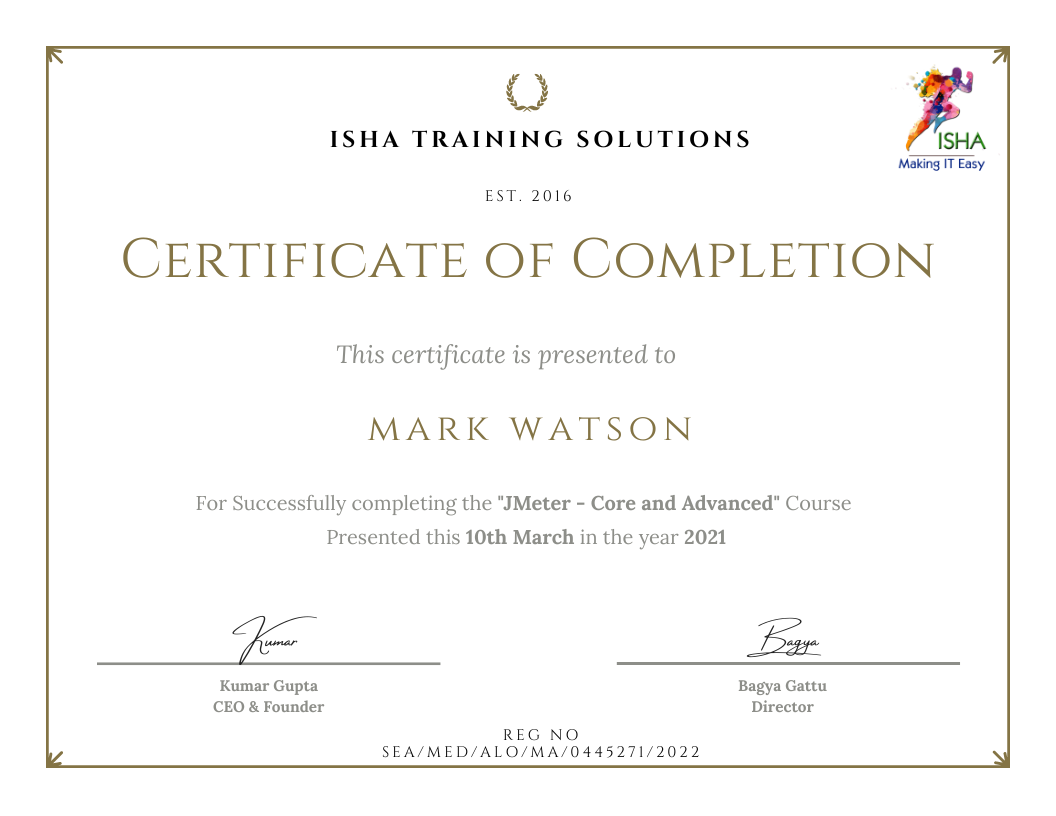
Sample Course Completion Certificate:
Your course completion certificate looks like this….
Important Note:
To maintain the quality of our training and ensure a smooth learning experience for all participants, we do not allow batch repetition or switching between courses.
To reiterate, moving from one course to another or shifting from one trainer to another (even if it is the same course) is not possible. Changing batches or trainers in any form is strictly not permitted.
We request all learners to attend the scheduled sessions regularly and make the most of their learning journey. Thank you for your understanding and continued support.
Course Features
- Lectures 344
- Quiz 0
- Duration 30 hours
- Skill level All levels
- Language English
- Students 0
- Assessments Yes
- 28 Sections
- 344 Lessons
- 30 Hours
- Module 1: Data Fundamentals15
- Module 2: Modern Data Platforms – Data Warehouse to Lakehouse11
- 2.1Database
- 2.2Data Warehouse
- 2.3Data Lake
- 2.4Data Lakehouse
- 2.5Data Warehouse vs Data Lake
- 2.6Limitations of Data Warehouse and Data Lake
- 2.7Why Data Lakehouse is preferred
- 2.8Architecture diagrams of DWH, Data Lake and Data Lakehouse
- 2.9ETL vs ELT
- 2.10ELT Architecture Walkthrough
- 2.11ETL Architecture Walkthrough
- Module 3: Azure Data Factory Fundamentals6
- Module 4: Azure Data Factory Advanced9
- Module 5: Cloud & Microsoft Azure Fundamentals14
- Module 6: Azure Data Availability & Regional Architecture5
- Module 7: Azure Storage Fundamentals14
- 7.1Introduction to Azure Storage
- 7.2Distributed Storage and Advantages
- 7.3Azure Blob Storage vs Azure Data Lake Storage
- 7.4Access Types in Azure Storage Account
- 7.5Azure Storage Services
- 7.6Containers
- 7.7File Shares
- 7.8Tables
- 7.9Queues
- 7.10Demo
- 7.11Folder Creation
- 7.12File Uploads
- 7.13File Deletion
- 7.14Storage Account Options
- Module 8: Advanced Azure Storage & Optimization13
- Module 9: Azure SQL Database8
- Module 10: Azure Data Factory Fundamentals13
- 10.1What is Azure Data Factory
- 10.2Advantages of Azure Data Factory
- 10.3Data Movement Problems Solved by ADF
- 10.4Creating Azure Data Factory Data Studio
- 10.5Azure Data Factory Terminologies
- 10.6Integration Runtime:
- 10.7SHIR
- 10.8Azure IR
- 10.9Linked SHIR
- 10.10Demo
- 10.11Create SHIR for On-Premises
- 10.12Create Linked SHIR
- 10.13Create Azure IR
- Module 11: ADF Linked Services, Datasets & Triggers13
- Module 12: ADF Activities, Dependencies, Parameters & Variables8
- Module 13: Azure Key Vault & Secure Data Access8
- Module 14: ADF Data Flows & Transformations5
- Module 15: Azure DevOps Integration with ADF9
- 15.1Git Integration in ADF
- 15.2Rules for Triggering Pipelines with Git Integration
- 15.3Live Mode vs Git Mode
- 15.4Collaboration and Main Branches
- 15.5ADF Pipeline Versioning
- 15.6Connecting ADF with Azure DevOps
- 15.7Creating Git Branches in ADF
- 15.8Collaboration
- 15.9Project 7: Sea Freight Logistics Data Modernization
- Module 16: Azure Logic Apps, Monitoring & Alerts12
- 16.1Project 8: Sea Freight Logistics Data Modernization
- 16.2Introduction to Azure Logic Apps
- 16.3Logic Apps Overview
- 16.4Connecting Logic Apps with ADF
- 16.5Actions and Triggers
- 16.6Demo: Connecting Azure Logic Apps with ADF Workspace
- 16.7Pipeline Monitoring and Alerts
- 16.8Adding Alerts in Pipelines
- 16.9Sending Notification Emails to Stakeholders
- 16.10Re-Run from Last Processed Activity
- 16.11Reviewing Copy Activity Logs
- 16.12Updating Pipeline Status in SQL Table
- Module 17: Advanced SQL – CTEs, Indexes & Stored Procedures9
- Module 18: Kafka & Real-Time Streaming with Azure Event Hubs10
- 18.1Introduction to Apache Kafka
- 18.2Kafka Terminologies:
- 18.3Serialization and Deserialization
- 18.4File Format Best Suited for Kafka Messaging
- 18.5Azure Event Hubs
- 18.6Advantages of Azure Event Hubs
- 18.7Integrating Kafka with Event Hubs
- 18.8Real-Time Data Streaming
- 18.9Stream Analytics Jobs
- 18.10Project 10: Ingest Real-Time Streaming Data to ADLS Using Event Hubs
- Module 19: Pandas & Apache Spark Fundamentals9
- Module 20: Apache Spark Components & PySpark Data I/O15
- 20.1Spark Components
- 20.2Demo: Create RDD and DataFrame in Notebook
- 20.3Reading and Writing Data Using PySpark
- 20.4DataFrame Reader API
- 20.5DataFrame Writer API
- 20.6Read Options for File Formats
- 20.7Read Modes
- 20.8Processing Corrupt/Bad Data
- 20.9Demo: Read and Write CSV Data
- 20.10Demo: Process Corrupt Records
- 20.11Spark SQL
- 20.12Writing SQL Queries on DataFrames
- 20.13Temporary Views
- 20.14Global Temporary Views
- 20.15Temporary View vs Global Temporary View
- Module 21: PySpark Transformations, Actions & Data Processing14
- 21.1Narrow Transformations
- 21.2Wide Transformations
- 21.3Actions
- 21.4Dependencies with Transformations
- 21.5Jobs
- 21.6Stages
- 21.7Tasks
- 21.8Data Shuffle
- 21.9Shuffle Partitions
- 21.10Shuffle Read
- 21.11Shuffle Write
- 21.12Project 12: Transforming Big Mart Sales
- 21.13Assignment 2: Diner’s Pizza Case Study Using PySpark
- 21.14Demo: Analyze Jobs, Stages and Tasks Based on a Scenario
- Module 22: Azure Databricks Fundamentals12
- 22.1Databricks Architecture
- 22.2Advantages of Databricks
- 22.3Databricks Compute
- 22.4Workspaces:
- 22.5DBSQL Warehouse
- 22.6Data Ingestion:
- 22.7Portal Walkthrough
- 22.8Creating Resources
- 22.9Connecting Databricks to Visual Studio Code
- 22.10VS Code Options
- 22.11Databricks with Azure:
- 22.12Demo: Databricks and Azure Architecture
- Module 23: Unity Catalog, Lakehouse Design & Workflow Automation22
- 23.1Introduction to Unity Catalog
- 23.2Data Governance Using Unity Catalog
- 23.3Three-Level Namespace Model
- 23.4Permission Model
- 23.5Unity Catalog Features
- 23.6Metastore with External Location
- 23.7Types of Catalogs
- 23.8Schemas
- 23.9Tables
- 23.10Views
- 23.11Volumes
- 23.12Creating Storage Credentials
- 23.13Accessing Files in ADLS
- 23.14Creating Catalog, Schema and Delta Tables on ADLS
- 23.15Uploading CSV Data to Volume
- 23.16Creating Views for Dashboards
- 23.17Lakehouse Architecture
- 23.18Three-Layer Architecture
- 23.19Introduction to Notebooks
- 23.20Notebook Automation
- 23.21Workflow with Job Cluster
- 23.22Project 13: Implement Lakehouse Architecture Using ADF and Databricks
- Module 24: Databricks PySpark, Delta Lake & Declarative Pipelines35
- 24.1Access ADLS Using Service Principals
- 24.2Secret Scopes
- 24.3Databricks Utilities
- 24.4Transforming Datasets Using:
- 24.5Cluster Pools
- 24.6Serverless Clusters
- 24.7Cluster Policies
- 24.8Creating Cluster Policies
- 24.9Limitations of Parquet Format
- 24.10Introduction to Delta Lake Tables
- 24.11Parquet vs Delta Lake Tables
- 24.12Delta Lake Features:
- 24.13Deep vs Shallow Clones
- 24.14MERGE and UPSERTS
- 24.15Deletion Vectors
- 24.16VACUUM
- 24.17Delta Table Properties
- 24.18COPY INTO
- 24.19Auto Loader
- 24.20Demo: MERGE, COPY INTO and Auto Loader
- 24.21Lakeflow Declarative Pipelines
- 24.22Project 14: Incremental Data Ingestion Using Databricks
- 24.23Project 15: Implementing SCD Types in Databricks
- 24.24Imperative vs Declarative Pipelines
- 24.25Declarative Pipelines vs Classic Notebook-Based Spark
- 24.26Lakeflow Declarative Pipeline Overview
- 24.27ETL Using Lakeflow Declarative Pipelines
- 24.28Joins, Aggregations and Window Functions in Python and SQL
- 24.29Data Quality Expectations
- 24.30Constraints
- 24.31Severity:
- 24.32Handling Bad Data
- 24.33Pipeline Triggers
- 24.34Full vs Incremental Updates
- 24.35Integrating Pipelines with Jobs
- Module 25: Databricks SQL, Data Warehousing, GenAI & RAG18
- 25.1SQL Warehouses
- 25.2Types of SQL Warehouses
- 25.3Portal Walkthrough
- 25.4Creating a SQL Warehouse
- 25.5SQL Alerts
- 25.6DBSQL Commands
- 25.7Unity Catalog Functions Using DBSQL
- 25.8Applying Row Filters and Column Masks
- 25.9Users and Groups
- 25.10Creating Users and Groups
- 25.11Assigning Roles
- 25.12Data Access Based on Users or Groups
- 25.13Views in DB Warehouses
- 25.14Types of Views
- 25.15Advantages of Views
- 25.16Differences Between View Types
- 25.17Demo: Create All Types of Views
- 25.18Project 16: Build a Sales Dashboard
- Module 26:GenAI Data Engineering9
- Data Engineer’s Role in GenAI10
- Module 27:Vector Databases & RAG18
- 28.1What is an Embedding?
- 28.2Vector Representation
- 28.3Cosine Similarity
- 28.4Euclidean Distance
- 28.5Approximate Nearest Neighbor Search
- 28.6Metadata Filtering
- 28.7What is RAG?
- 28.8Why RAG Instead of Fine-Tuning?
- 28.9Basic RAG Architecture
- 28.10Similarity Search
- 28.11Embedding Models
- 28.12Retrieval
- 28.13Top-K
- 28.14Reranking
- 28.15Metadata Filtering
- 28.16Context Construction
- 28.17Grounding
- 28.18RAG Evaluation


